All Keyboard Units almost SOLD OUT! We are now sold out of all but one of the planned keyboard units for the coming production round. There are also a small number of the Tabletop/desktop versions remaining. See the Purchase page for more information. THANKS to all who have pre-ordered!
RIP Dave Smith
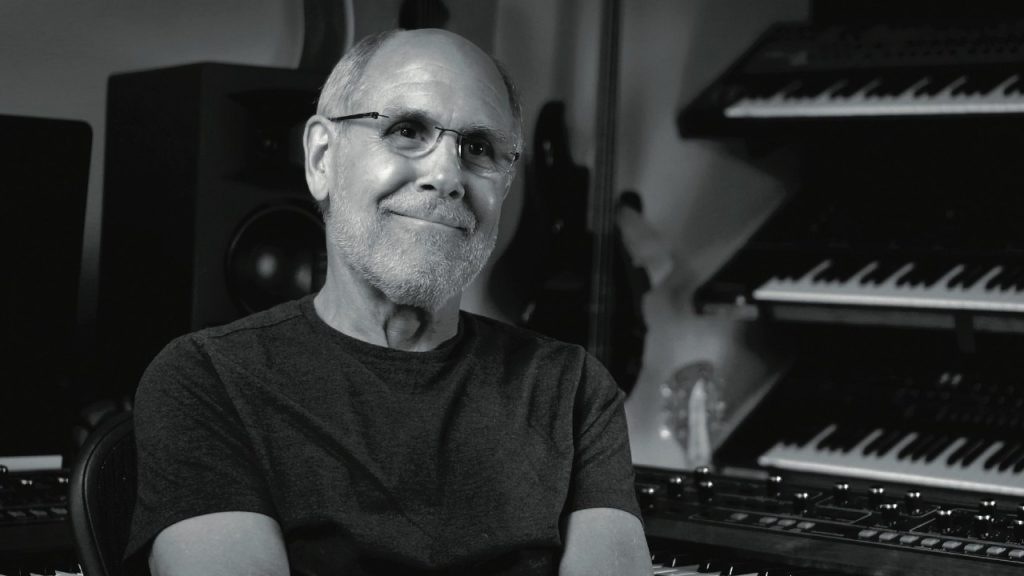
It is with great sadness to announce that my colleague and friend Dave Smith passed away in June 2022. I introduced myself to Dave in 1976, when I was doing presentations for Moog Music, and asked him if we could make an arrangement where I would promote his Model 800 sequencer. Little did I know what that meant for how my future in synthesis would be forever changed.
Interview video by Espen Kraft
Please go here to see my interview with EspenKraft: https://youtu.be/NJQrTiCezvo
New v2.0.3 OS Released
I am very happy to announce the release of v2.0.3 Operating System for the Solaris. Information for current owners can be found in the Forum: https://forums.johnbowen.com/viewtopic.php?t=17189
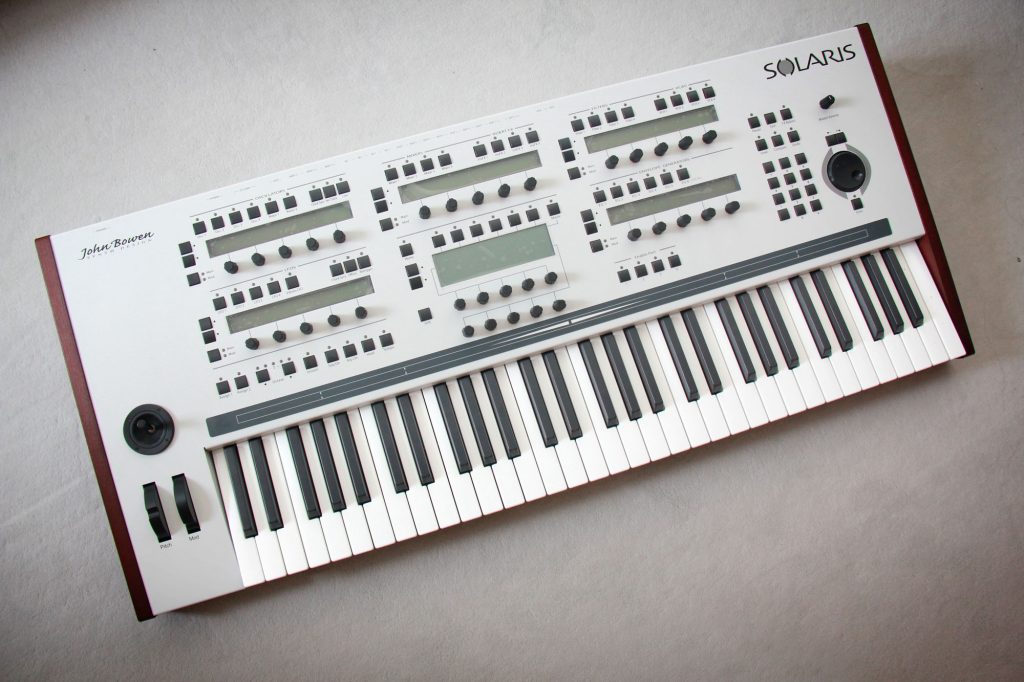
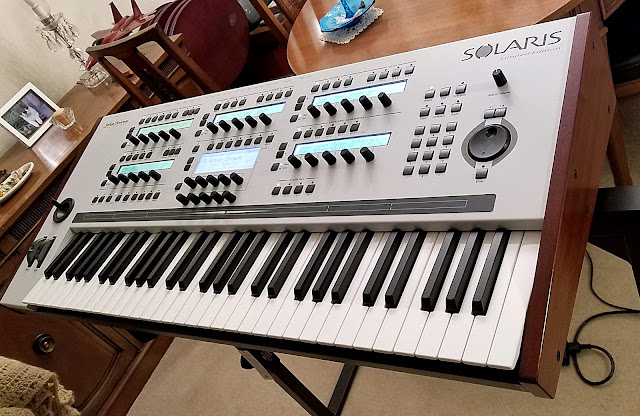
Announcing the new Rev 2 Solaris, with all new internal circuit boards! Some companies use the designation Mk II, but with my previous association with the Prophet 5, I thought I’d use the Rev 2 designation instead. The revised boards also provide for the use of the new FATAR PolyAT keybed, which is an option for the Rev 2 Solaris.
We have just sold out all keyboard units from the next production round. There are still a small number of the tabletop/desktop versions remaining, which will use the same updated circuit boards. See the Purchase page for more information. THANKS to all who have pre-ordered!
Menu
New Solaris Rev 2 now SOLD OUT!!
New v2.1 OS Released
I am very happy to announce the release of v2.1 Operating System for the Solaris. Information for current owners can be found in the new Owner’s Portal: http://owner.johnbowen.com/downloads.html
NOTE: You must be registered to access the Owner’s Portal. You can access the registration using the Owner’s Portal tab.
Interview video by Espen Kraft
RIP Dave Smith
It is with great sadness to announce that my colleague and friend Dave Smith passed away in June 2022. I introduced myself to Dave in 1976, when I was doing presentations for Moog Music, and asked him if we could make an arrangement where I would promote his Model 800 sequencer. Little did I know what that meant for how my future in synthesis would be forever changed.